
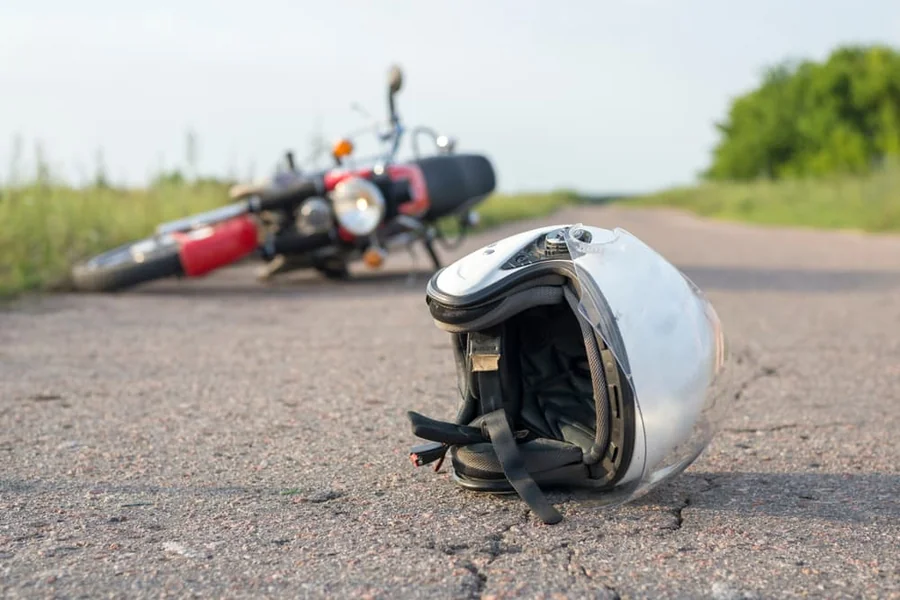
A motorcycle helmet is designed to absorb force, protect the head, and reduce the risk of life-threatening trauma during a crash. When a rider hits the pavement, another vehicle, a curb, or roadside debris, the helmet may take much of the impact before the rider’s head does. That is why the condition of the helmet after a crash can matter.
A cracked, scraped, crushed, or split helmet may help explain how serious the impact was and where the rider’s body made contact. It may also support medical findings involving head trauma, facial injuries, concussion symptoms, or neck strain. When a rider is hurt in a collision, San Antonio motorcycle accident lawyers may review helmet damage along with medical records, crash evidence, and witness accounts to understand the full impact of the accident.
The Helmet Can Act Like an Impact Map
After a motorcycle crash, the helmet may show where the rider’s head struck the ground or another object. Scrapes on one side, cracks near the crown, damage to the chin area, or crushed sections near the back can provide clues about the direction and force of the impact. These marks can help explain how the rider moved during the crash.
The damage pattern may also match other evidence. For example, scrape marks on the helmet may line up with road rash, shoulder injuries, or damage to the motorcycle. When several pieces of evidence point in the same direction, they can create a clearer picture of how the crash unfolded and why the injuries occurred.
A Small Crack Can Still Mean a Serious Hit
Some helmet damage may look minor to someone who is not trained to evaluate it. A small crack, dent, or deep scratch may not seem dramatic, especially if the rider was able to stand after the crash. However, helmets are built to absorb energy, and visible damage may mean the helmet took a significant blow.
The seriousness of the rider’s injury should not be judged by appearance alone. A person can suffer a concussion or brain injury even if the helmet does not look destroyed. Headaches, dizziness, confusion, nausea, memory problems, or light sensitivity after a crash should be evaluated by a medical professional, regardless of how the helmet appears.
The Inner Liner May Tell a Different Story
The outside of the helmet is only one part of the safety system. Inside the helmet, the impact-absorbing liner may compress when force is transferred during a crash. This inner damage may not be obvious at first glance, but it can show that the helmet absorbed energy during impact.
This is one reason a helmet should not be reused after a significant crash. Even if the outside looks mostly intact, the inner liner may no longer provide the same protection. Preserving the helmet in its post-crash condition can also help investigators or experts assess whether the impact was strong enough to support the rider’s reported symptoms.
Chin Bar and Face Shield Damage Can Matter
Damage to the chin bar, visor, or face shield can be especially important. These areas may show that the rider’s face, jaw, or head struck the ground or another surface. A broken face shield, scraped chin bar, or cracked visor may help explain facial cuts, dental injuries, jaw pain, eye injuries, or nose fractures.
This type of damage can also show how close the rider came to more severe harm. Without the helmet, the same force may have struck the face directly. Even when the helmet reduces injury, the rider may still need emergency care, follow-up treatment, or specialist evaluation for injuries caused by the impact.
Helmet Damage Can Support Invisible Symptoms
Some serious head injury symptoms may not be visible after a motorcycle crash. A damaged helmet can help show that the rider’s head absorbed significant force, especially when symptoms are harder to explain. These may include:
- Headaches: Ongoing or worsening pain may suggest a concussion or other head injury.
- Balance problems: Dizziness or trouble staying steady can affect daily activities.
- Mood changes: Irritability, anxiety, or sadness may appear after head trauma.
- Sleep issues: The rider may sleep too much, too little, or wake frequently.
- Memory trouble: Difficulty remembering details or focusing may point to brain injury symptoms.
- Light sensitivity: Bright lights may trigger discomfort, headaches, or confusion.
Helmet damage alone does not prove every medical issue, but it can support the injury picture when combined with medical records and symptom history.
The Helmet Should Be Preserved, Not Thrown Away
After a crash, a damaged helmet may look like ruined gear, but it can be valuable evidence. Riders should avoid throwing it away, repairing it, cleaning it aggressively, or replacing parts before photos are taken. The helmet’s scratches, cracks, dents, dirt, and broken components may all help show what happened.
It is also wise to save related gear, such as gloves, jacket, pants, boots, and protective padding. Together, these items may help show how the rider landed, slid, or was struck. Photos should capture the helmet from several angles, including close-ups of damaged areas and any labels, model information, or certification markings.
Fit, Age, and Condition May Be Reviewed
In some cases, questions may arise about whether the helmet fit properly, was too old, had prior damage, or met safety standards. These questions do not automatically defeat a rider’s claim, but they may become part of the discussion if the other side tries to minimize responsibility or blame the rider.
The main focus should remain on what caused the crash and how the impact injured the rider. Still, helmet condition can add context. A properly worn helmet with clear crash damage may help show that the rider took safety seriously, yet still suffered harm because the collision was severe.
A Damaged Helmet Helps Tell the Rider’s Story
A cracked or damaged helmet is more than a broken piece of equipment. It can help show the violence of the crash, the direction of impact, and the forces involved. It may also support medical evidence when the rider is dealing with symptoms that are not easy to see.
After a motorcycle crash, every detail matters. The helmet, medical records, photos, motorcycle damage, road marks, witness statements, and video footage may all help explain what happened. Preserving the helmet can give injured riders another way to show the seriousness of the crash and the injuries that followed.

Passionate about exploring diverse ideas and sharing inspiration, I curate content that sparks curiosity and encourages personal growth. Join me at ElementalNest.com for insights across a wide range of topics.