
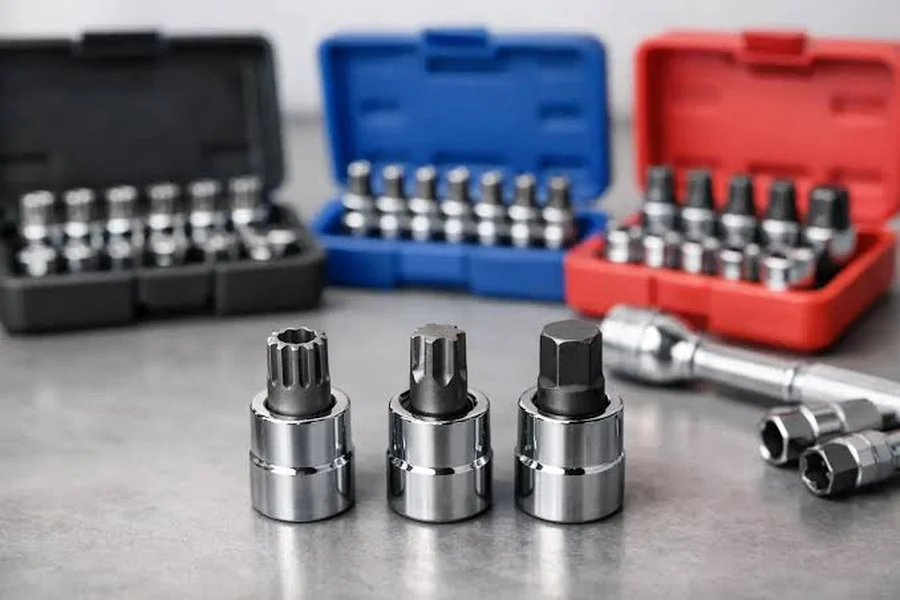
Hex tools often work in environments where moisture, oils, cleaning chemicals and metal debris are unavoidable. Over time, these conditions can attack exposed steel and affect both the appearance and performance of the tool. For technicians, tradespeople and electrical contractors, corrosion resistance matters because it helps preserve fit, strength and usability across repeated workshop tasks.
Corrosion Resistance Helps Preserve Tool Fit
A hex key relies on close dimensional contact with the internal faces of a fastener. Even minor surface deterioration can affect how cleanly the tool enters the socket and how evenly torque is transferred. Rust, pitting or flaking can gradually compromise that fit and increase the chance of slipping under load.
For professional workshop use, corrosion resistance is therefore worth assessing alongside tip accuracy, material hardness and overall durability. When comparing options such as Wera Allen keys for professional workshop applications, the practical consideration is whether the tool can maintain a clean, well-defined working surface despite repeated exposure to typical workshop conditions. Preserving that surface helps the key continue engaging fasteners accurately over time.
Surface Protection Extends Working Life
Corrosion does more than create visible rust. As oxidation progresses, it can remove material from the tool surface and create small pits that weaken the affected area. Repeated loading can then place greater stress around these imperfections.
Protective finishes help reduce direct exposure between the steel and moisture or contaminants. Depending on the tool, manufacturers may use plating, coating or other surface treatments to slow oxidation. Better resistance can help you keep a tool in useful condition for longer, particularly when it is used daily.
Rust Can Reduce Reliable Torque Transfer
Hex tools depend on their edges and faces staying well defined. Corrosion can round or roughen these surfaces, reducing the area through which force is transferred to the fastener. You may then need to apply more effort while gaining less secure engagement.
Poor contact also increases the risk of damaging the fastener socket. Once the internal hex begins to deform, removal and reinstallation become more difficult. Preserving the working surfaces of your tools therefore supports more predictable torque transfer and helps protect the fasteners you are servicing.
Resistance Matters in Damp Workshops
Workshops are rarely completely dry environments. Condensation, wet equipment, cooling systems and routine cleaning can all expose hand tools to moisture. Mobile technicians may face additional exposure when tools are carried between vehicles, plant rooms and outdoor work areas.
Corrosion resistance gives you an extra level of protection when ideal storage conditions are not always possible. It does not replace proper care, but it reduces how quickly occasional moisture exposure turns into visible oxidation or surface damage.
Cleaner Surfaces Make Maintenance Easier
Corroded tools are harder to keep clean because roughened surfaces can trap dirt, oil and debris. Once pitting corrosion develops, contaminants may remain in small surface cavities even after the tool has been wiped down.
A more corrosion resistant surface generally stays smoother and is easier to inspect after use. You can identify wear, contamination or damage more quickly, while routine cleaning becomes less labour intensive. Regular drying and suitable storage still matter, but a protected finish makes ongoing maintenance more manageable.
Durable Hex Tools Support Consistent Workshop Work
Corrosion resistance directly affects how long a hex tool can maintain its shape, surface condition and reliable contact with fasteners. When your tools are exposed to moisture, oils and changing workshop conditions, better protection helps reduce rust, preserve torque transfer and simplify maintenance. Choosing hex tools with suitable corrosion resistance can therefore support more dependable work while reducing the need to replace tools prematurely.

Passionate about exploring diverse ideas and sharing inspiration, I curate content that sparks curiosity and encourages personal growth. Join me at ElementalNest.com for insights across a wide range of topics.