
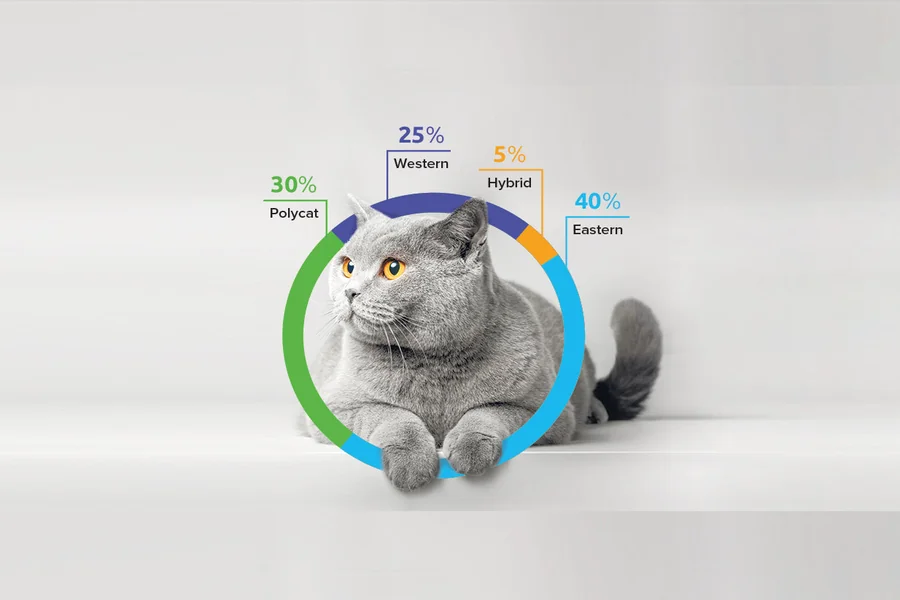
Many cat owners enjoy guessing their pet’s breed based on coat color, eye shape, or body size. While appearance can offer clues, it rarely tells the complete story. Mixed ancestry, inherited traits, and generations of breeding can make it difficult to identify a cat’s background with confidence.
Today, advances in genetic science have made it possible to learn much more than what is visible on the surface. DNA analysis gives pet owners a deeper understanding of their cat’s ancestry, inherited characteristics, and even certain health-related genetic markers. As interest in personalized pet care continues to grow, genetic testing is becoming an increasingly valuable resource for people who want to know their feline companions better.
Why Appearance Doesn’t Always Reveal a Cat’s Heritage
Unlike many dog breeds, domestic cats often share similar physical features regardless of their ancestry. A striped coat, long fur, or bright green eyes may resemble a particular breed, but these traits can appear in many unrelated cats.
For example, a fluffy cat may look like a Maine Coon, while a sleek, short-haired cat might resemble a Russian Blue. However, physical similarities alone cannot confirm ancestry. Environmental factors and natural genetic variation also influence the way cats develop.
Many adopted cats have unknown family histories, especially those rescued from shelters or found as strays. Without pedigree documentation, identifying breed origins solely from appearance is little more than an educated guess.
Genetic analysis reduces much of this uncertainty by examining inherited DNA markers rather than relying solely on visible characteristics.
What DNA Analysis Can Reveal
Modern genetic testing provides insights that go well beyond identifying possible breed composition. Scientists analyze thousands of genetic markers to better understand a cat’s biological background and inherited traits.
A comprehensive cat dna test for breed can help estimate ancestral lineage, identify genetic similarities with recognized breeds, and provide information about physical characteristics that may have been passed down through generations. Depending on the analysis, owners may also receive reports covering inherited traits such as coat patterns, body size tendencies, or other naturally occurring genetic features.
Some DNA reports include screening for genetic variants associated with certain inherited health conditions. While these findings should never replace professional veterinary care, they can help owners have more informed discussions with their veterinarian about monitoring their cat’s long-term health. Understanding a pet’s genetics enables owners to make decisions based on evidence rather than assumptions.
How Genetic Information Supports Better Pet Care
Knowing more about a cat’s genetic background can influence everyday care in practical ways. Certain breeds may have different activity levels, grooming requirements, or nutritional needs that owners may wish to consider when developing daily routines.
Although every cat has its own personality, genetics can provide useful context for understanding behavioral tendencies. Some cats naturally enjoy climbing and exploring, while others prefer quiet environments and predictable routines. Combining genetic information with careful observation helps owners create living spaces that better match their pet’s individual preferences.
Health awareness is another important advantage. Early knowledge of inherited risks can encourage regular veterinary monitoring and proactive wellness planning. Preventive care often becomes more effective when potential concerns are recognized before symptoms appear.
Genetic information should always be viewed as one part of the overall picture. Nutrition, exercise, environment, and regular veterinary care remain essential components of a healthy life for every cat.
The Future of Personalized Pet Wellness
The growing popularity of DNA testing reflects a broader movement toward personalized care for both people and animals. Instead of relying only on visible characteristics, pet owners now have access to scientific tools that provide a more complete understanding of their companions.
As genetic research continues to expand, DNA analysis is expected to deliver even more detailed insights into ancestry, inherited traits, and overall wellness. Future developments may help veterinarians create increasingly personalized care recommendations based on a cat’s unique genetic profile.
For owners, the greatest value often goes beyond satisfying curiosity. Learning about a cat’s background strengthens the connection between people and their pets by providing a deeper appreciation of what makes each animal unique.
Every cat carries a genetic story that cannot always be recognized by appearance alone. DNA analysis offers a reliable way to uncover that story, replacing guesswork with evidence and helping owners make thoughtful decisions throughout every stage of their pet’s life. Whether the goal is understanding ancestry, supporting preventive care, or simply learning more about a beloved companion, genetic testing represents an important step toward more informed and personalized pet ownership.

Passionate about exploring diverse ideas and sharing inspiration, I curate content that sparks curiosity and encourages personal growth. Join me at ElementalNest.com for insights across a wide range of topics.