
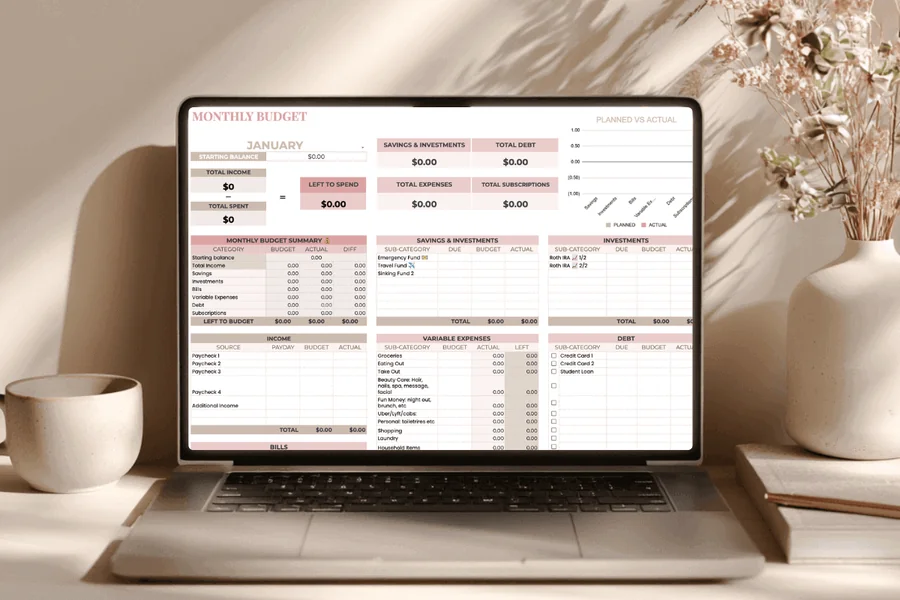
When Every Dollar Needs an Assignment
Budgeting feels different when there is plenty of cushion. A forgotten subscription, a slightly higher grocery bill, or an unplanned dinner out may be annoying, but it does not wreck the month. When there is no margin for error, though, even a small mistake can create a chain reaction. One overdraft fee can become two. One late payment can turn into a larger balance. One casual purchase can make the gas money disappear.
That is where zero based budgeting becomes useful. It gives every dollar a job before the month starts, so money does not drift away unnoticed. For someone juggling debt, tight income, or rising expenses, this kind of precision can also make it easier to decide whether to work directly with creditors, adjust spending, or research a debt relief company for additional options.
The goal is not to make life feel controlled down to the penny forever. The goal is to stop guessing. When money is tight, guessing is expensive.
Zero Does Not Mean Broke
Zero based budgeting can sound scary because of the word zero. It does not mean you spend everything. It means your income minus planned expenses, savings, and debt payments equals zero because every dollar has been assigned.
If you bring home $3,000, you decide where all $3,000 goes before it starts disappearing. Rent, groceries, utilities, transportation, insurance, minimum debt payments, savings, and even small personal spending all get a line. If there is $25 left after the basics, that $25 still gets a job. Maybe it goes to gas. Maybe it goes to an emergency fund. Maybe it goes toward a past due bill.
Unassigned money has a way of becoming convenience spending. Assigned money has a purpose.
The Budget Is a Control Panel
A zero based budget works like a control panel for the month. It does not magically create more income, but it shows what each choice affects. If groceries go up, something else has to move. If the electric bill is lower than expected, that extra money can be sent somewhere useful instead of vanishing.
This is why the method can feel strict at first. It forces tradeoffs into the open. But that honesty is the whole point. A budget that hides tradeoffs may feel nicer, but it will not help much when the checking account gets low.
The federal financial literacy site MyMoney.gov offers broad money management resources that can help people think through spending, saving, credit, and financial decisions. A zero based budget fits that same basic idea: know where your money is going before it is gone.
Start With the Money You Truly Have
The first mistake in a tight budget is building it around income you hope to have. Do not budget with overtime unless it is guaranteed. Do not count a bonus before it arrives. Do not assume a friend will repay you this week unless the money is already in your account.
Start with confirmed take home income. If your income changes from week to week, budget only the money you have now, then update the plan as more comes in. This may feel slower, but it is safer.
Budgeting with imaginary money creates imaginary stability. When the money does not arrive, the whole plan breaks.
Separate Fixed, Flexible, and Surprise Costs
Every expense does not behave the same way. Fixed expenses are the bills that usually stay the same, like rent, car payments, insurance, or phone plans. Flexible expenses change, like groceries, gas, and utilities. Surprise costs are the things that should not be surprising but somehow always are, like school fees, car maintenance, prescriptions, gifts, parking, and pet care.
A zero based budget works best when you give flexible and surprise costs real space. If you pretend they will not happen, they will still happen. They will just steal money from another category.
Think of irregular expenses as quiet monthly bills. Car repairs may not happen every month, but the car is wearing down every month. Birthdays may not happen every week, but they are still coming. Setting aside even small amounts ahead of time reduces panic later.
Track During the Month, Not After
A budget made on the first day of the month is only a plan. It becomes useful when you track what actually happens.
If you spend $62 on groceries, subtract it from the grocery category that day. If gas costs more than expected, update the transportation line. If a bill is lower, move the leftover money somewhere specific.
Waiting until the end of the month to check your spending is like checking the weather after the picnic. You may learn something, but it cannot help you make better choices in the moment.
The FDIC Money Smart program provides financial education resources designed to help people build practical money skills. Budget tracking is one of those basic skills that becomes much more powerful when cash is limited.
Give Small Amounts Real Jobs
When money is tight, small amounts matter more than they seem. Ten dollars can cover a prescription copay. Fifteen dollars can buy enough gas to get to work. Twenty dollars can prevent a late fee. The smaller the margin, the more important the small decisions become.
That does not mean every dollar must go toward survival with no room for humanity. A zero based budget can include a small personal category if possible. Even five or ten dollars for something enjoyable can help the plan feel less punishing.
The key is naming it in advance. Planned small spending is not the problem. Unnoticed small spending is what causes trouble.
Debt Payments Need a Clear Place
Debt can make budgeting feel crowded. Minimum payments, past due balances, collection notices, medical bills, and personal loans all compete for attention. A zero based budget helps you see what is actually possible after essential expenses are covered.
Start by protecting housing, utilities, food, transportation, insurance, and necessary medicine. Then list debt obligations. Pay required minimums where you can, and decide whether extra money should go toward the smallest balance, the highest interest rate, or the most urgent account.
If there is not enough money for all debt payments, guessing will not help. Contact creditors, explain the situation, and ask about hardship plans, reduced payments, or temporary pauses. The budget gives you the numbers you need for that conversation.
Adjust Without Calling It Failure
A zero based budget will almost never go perfectly the first time. That does not mean it failed. It means real life gave you better data.
Maybe you underestimated groceries. Maybe your utility bill was higher. Maybe the school needed money for an event. Maybe gas prices changed. Instead of giving up, adjust the categories. Move money from a lower priority area into the category that needs it.
The rule is simple: if one category goes over, another category has to come down, unless new income arrives. This keeps the budget honest.
Precision Creates Breathing Room
It may sound strange, but a strict budget can create emotional relief. Not because the numbers are easy, but because they are visible. Uncertainty is exhausting. Knowing the plan, even a tight one, can feel better than hoping the card goes through.
Zero based budgeting is not about perfection. It is about intention. Every dollar gets named. Every tradeoff gets seen. Every small amount is treated like it matters because it does.
When there is zero margin for error, the budget becomes more than a spreadsheet or app. It becomes a way to protect your next meal, your next commute, your next bill, and your next decision. You may not control every expense that comes your way, but you can give every dollar a purpose before the world tries to give it one for you.

Passionate about exploring diverse ideas and sharing inspiration, I curate content that sparks curiosity and encourages personal growth. Join me at ElementalNest.com for insights across a wide range of topics.