
The Changing Relationship Between Customers and Furniture Retail
Furniture buying has changed significantly as customer expectations continue to evolve. People no longer choose furniture based only on appearance or basic functionality. Factors such as lifestyle, home size, work habits, sustainability preferences, and online research now influence purchasing decisions.
Furniture retailers closely monitor these changes because customer behavior provides valuable insight into what products should be available, how collections should be arranged, and which features deserve more attention. The items displayed in stores and online catalogs often reflect broader changes in how people live and use their homes.
Understanding customer preferences allows retailers to create selections that better match real needs rather than depending only on traditional furniture trends.
How Customer Preferences Influence Product Selection
Furniture stores analyze customer behavior to understand which products are becoming more relevant. When specific designs, materials, or furniture categories gain popularity, retailers adjust their inventory to meet changing demand.
For example, the growth of remote work has increased interest in desks, ergonomic seating, and multifunctional furniture. Smaller homes have also created demand for compact designs, storage-focused solutions, and pieces that can serve multiple purposes.
Customer reviews, purchasing patterns, and feedback all help retailers determine which products provide the most value to shoppers.
The Impact of Lifestyle Changes on Furniture Demand
Growth of Home-Based Work
The rise of remote and hybrid work has changed how people use their homes. Areas that were previously dedicated to relaxation may now need to support professional tasks.
Because of this shift, furniture retailers have expanded their focus on home office solutions, including desks, comfortable seating, storage units, and designs that fit different living environments.
Preference for Flexible Living Spaces
Many customers now prefer furniture that can adapt to different situations. A dining table may function as a workspace during the day, while a living room may need to support entertainment, relaxation, and social activities.
This demand for flexibility influences the types of products retailers choose to stock and highlight.
Interest in Personal Style
Customers increasingly want furniture that reflects their individual preferences. Instead of following one specific design trend, many homeowners combine different colors, materials, and styles to create personalized spaces.
Retailers respond by offering wider selections that appeal to different tastes and interior design approaches.
How Shopping Behavior Affects Furniture Promotion
Customer behavior influences not only what products are available but also how retailers present them. Stores use customer insights to understand which details matter most during the buying process.
Many shoppers research furniture before purchasing by comparing sizes, materials, durability, designs, and customer feedback. A modern furniture store needs to provide clear product information and a selection that reflects changing customer expectations. This helps customers make informed choices while allowing retailers to respond to evolving preferences.
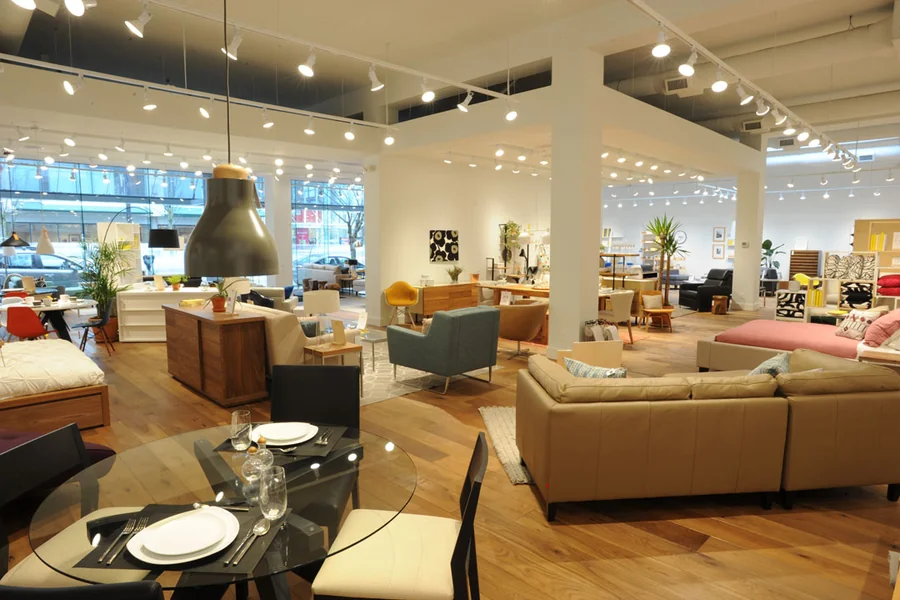
Visual presentation also plays an important role. Customers often want to see how furniture may look in different spaces, which has encouraged retailers to provide room examples, detailed images, and practical product descriptions.
Important Factors Furniture Stores Consider
Space and Housing Trends
Changes in home layouts and living spaces influence furniture demand. Smaller homes may increase interest in compact furniture, while larger properties may create demand for complete room solutions.
Retailers consider these differences when deciding which products to include in their collections.
Quality and Long-Term Value
Furniture is often viewed as a long-term investment. Customers typically consider durability, construction quality, maintenance requirements, and comfort before making a purchase.
These expectations influence which products retailers continue to offer and promote.
Seasonal and Regional Preferences
Customer needs can vary depending on location, climate, and seasonal changes. Furniture providers may adjust their selections to reflect regional preferences and changing buying patterns throughout the year.
The Role of Customer Feedback and Data
Retailers use different sources of information to understand what customers want. Sales patterns, reviews, surveys, and direct feedback help identify trends and improve product selection.
This information allows furniture businesses to create collections that better match how people actually live. However, predicting customer preferences can still be challenging because design trends and purchasing habits can change quickly.
Retailers must balance responding to current demand with maintaining a diverse selection that remains useful over time.
Frequently Asked Questions
Why do furniture stores change their product selection?
Furniture stores update their inventory based on customer demand, lifestyle changes, design preferences, and purchasing trends.
Do online shopping habits affect furniture availability?
Yes. Online research influences which products receive attention, what information customers expect, and how retailers present their collections.
Are furniture trends only based on appearance?
No. While design trends influence buying decisions, practical factors such as comfort, space, durability, and functionality also play a major role.
Final Thoughts
Customer behavior has a strong influence on the furniture industry. The products available today reflect changing lifestyles, evolving priorities, and the ways people use their homes.
Retailers such as RC Willey adapt by understanding how customers shop, what features they value, and how furniture fits into everyday life. By responding to these changes, furniture providers can create collections that balance design, practicality, and long-term usefulness.

Passionate about exploring diverse ideas and sharing inspiration, I curate content that sparks curiosity and encourages personal growth. Join me at ElementalNest.com for insights across a wide range of topics.