Keeping the indoors clean is not easy. You have to fight dust, bad air, and wetness all the time. Most people use strong sprays and tough cleaners. They spend a lot of time scrubbing as well. But now, new studies show that you can go another way. Indoor spaces can use nature to take care of themselves. You can build living terrariums and vivariums. They use small plants and animals to break down what is not wanted. These set-ups eat up trash, cut down bad mold, and get rid of bad smells early. They do all this without harsh chemicals.
This works because the good things in the habitat act like a natural filter for the air and surfaces. So you get a fresh and clean space. You will feel less stress. You also help the earth by choosing PostPods that are green and good for your home. Knowing how these natural systems work helps people at home to make self-sustaining small habitats. To find strong tiny animals and special bioactive mixes for your setup, check resources at https://postpods.co.uk/ to make a balanced space.
What Is a Bioactive Ecosystem?
A bioactive ecosystem is an enclosed or partly enclosed place made to work like nature’s nutrient cycle. This is not like traditional indoor planters or animal cages, which build up waste and need full changes of soil or bedding. A bioactive system sets up a living food web that keeps things moving.
The main idea is about using nature to break down waste. This process turns old plants and food scraps into good stuff for new plants. It happens with living things, not by people taking it away.
Core Components of a Bioactive System
- The Drainage Layer (False Bottom):This layer keeps water from getting trapped. It lets any extra water move away from the roots in the substrate.
- Substrate Barrier:A tough mesh screen separates the drainage layer and the organic substrate above.
- Engineered Substrate:This is a special soil mix. It uses leaf litter, sphagnum moss, charcoal, and other organic materials. It helps airflow and keeps the soil just wet enough.
- Micro-Fauna (“Clean-Up Crew”): Springtails and good bacteria are in this layer. They break down waste.
- Live Plants & Fungi:Plants take in processed nitrates and carbon dioxide. This finishes the nutrient cycle.
The Biology of Natural Mold and Waste Control
In environments where there is little air circulation and there is humidity, there will be growth of mold spores and decay. Bacteria will grow when there is an accumulation of materials such as decomposing leaves, dead skin, and excessive moisture that lacks air.
Bioactive systems work to stop decay. They do this by making sure that good germs take over and other germs eat the harmful ones.
1. Springtails: The Mold Specialists
Springtails are small organisms that live in the soil. Springtails feed mainly on fungal hyphae and decomposing materials found in soil. Through continuous consumption of fungi at the soil surface, springtails prevent the formation of molds before they emit spores or VOCs indoors.
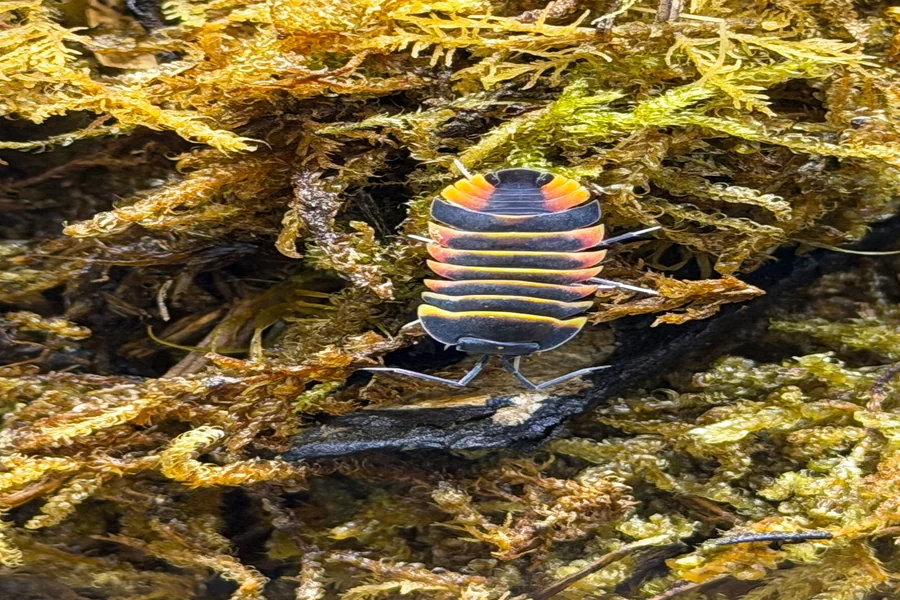
2. Isopods: The Heavy Waste Recyclers
The isopods, or roly-polies or woodlice, contribute in recycling of large amounts of waste material. These isopods feed on dead plants, faeces, and falling leaves. They convert bulky substances into smaller particles, which are termed frass. The frass serves as food for beneficial micro-organisms in the soil.
3. Beneficial Microorganisms
In the substrate, the symbiosis of nitrifying bacteria and mycorrhizal fungi converts toxic ammonia and nitrite to nitrates. It helps to enrich soil without chemical fertilizers.
Key Benefits of Bioactive Systems for Indoor Health
Bringing self-cleaning micro-habitats into your home has clear benefits. These setups are better for the environment and for your health than the usual ways of keeping indoor plants.
| Feature | Traditional Indoor Setup | Bioactive Ecosystem Setup |
| Mold Control | Chemical sprays / Manual wiping | Natural biological grazing by springtails |
| Waste Management | Periodic substrate dumping | Continuous biological nutrient recycling |
| Odor Prevention | Masking scents / Charcoal filters | Microbial decomposition prevents sour anaerobic buildup |
| Maintenance Need | High (frequent cleaning & soil replacement) | Low (routine hydration & light pruning) |
| Air Quality Impact | Static moisture | Dynamic humidity regulation with zero chemical off-gassing |
Zero-Chemical Waste Breakdown
Artificial cleaners can lead to respiratory problems, and they release harmful substances inside confined spaces. Bioactivity practices do not involve any disinfection of the plant environment or animal habitat by means of chemicals. Therefore, the indoor air will be safer for allergy sufferers and animals.
Odor Elimination at the Source
Bad smells inside come from bacteria that grow in wet places with no fresh air. People cleaning often stir up and bring air to the ground while they work on waste. This keeps the oxygen up. The air helps break down waste without smell.
Step-by-Step: Setting Up Your Clean Bioactive Enclosure
Building a self-cleaning enclosure that works well and does not need much care means the layers must be set up right. You also need to pick the right mix of animals.
- Create a Drainage Layer: This is an important step to prevent root rot and loss of soil gas. Use 1 or 2 inches of expanded clay pebbles or horticultural charcoal in the bottom of your glass enclosure. This helps to retain the additional water that flows out.
- Add the Mesh Barrier – This will help maintain a distance between the substrate and the standing water. Cut a synthetic mesh screen that fits the inside of the tank. Place it flat on top of the water-permeable layer.
- Add the Bioactive Substrate Mix: Make the root zone healthy. Keep open to allow air circulation. Spread a layer of organic loose mulch 3-4 inches deep. It needs to have coconut coir, shredded hardwood bark, sphagnum moss, and crushed horticultural charcoal.
- Plant and Layer Botanicals –plants and natural items should be planted. These will give food and shelter to the clean-up crew. Include some live plants such as tropical ferns, pothos, or nerve plants. Put plenty of dried broadleaf leaves on the surface. Cork bark hides are added as well.
- Bring in your team to naturally clean things up:Clean-Up Crew! Begin the substrate with a small population of temperate or tropical springtails and good starter isopods.
Long-Term Maintenance & Troubleshooting
Bioactive environments keep going on their own, but they are not fully managed without any help. You need to watch them a bit and do simple regular checks to make sure they start healthy.
Humidity and Moisture Gradients
Always keep one side of the enclosure a bit wet. This helps your clean-up crew stay hydrated. The other side should be drier. Spray the enclosure with distilled water or reverse-osmosis water. This will stop the glass walls from getting a crust from minerals.
Preventing Population Crashes
If the clean-up crew eats up all the leaf litter, their numbers could drop a lot. Always keep organic hardwood leaves and bark on hand. You can also use some extra foods. Try giving them small amounts of yeast or special invertebrate food powders when the group gets bigger.
Steps to Feed Springtails
In order to make sure that your team of mold suppressors continues to perform efficiently when the naturally available molds are few, it is necessary for you to understand the proper technique on how to feed springtails. For this purpose, you should make it a point to sprinkle a tiny quantity of live dry yeast, baker’s yeast, or powdered springtail diet directly onto the moist surface. This has to be done once every one or two weeks.
Embracing Natural Indoor Hygiene
Introducing the concept of bioactivity PostPods into your household is transforming cleaning from the application of chemical substances to maintaining harmony between living organisms. With knowledge of the functioning of detritivores, beneficial fungi, and living plants in tandem, one will be able to create green areas that maintain themselves in a natural way. Living organisms control mold, decompose waste, and improve indoor air quality.

Passionate about exploring diverse ideas and sharing inspiration, I curate content that sparks curiosity and encourages personal growth. Join me at ElementalNest.com for insights across a wide range of topics.