
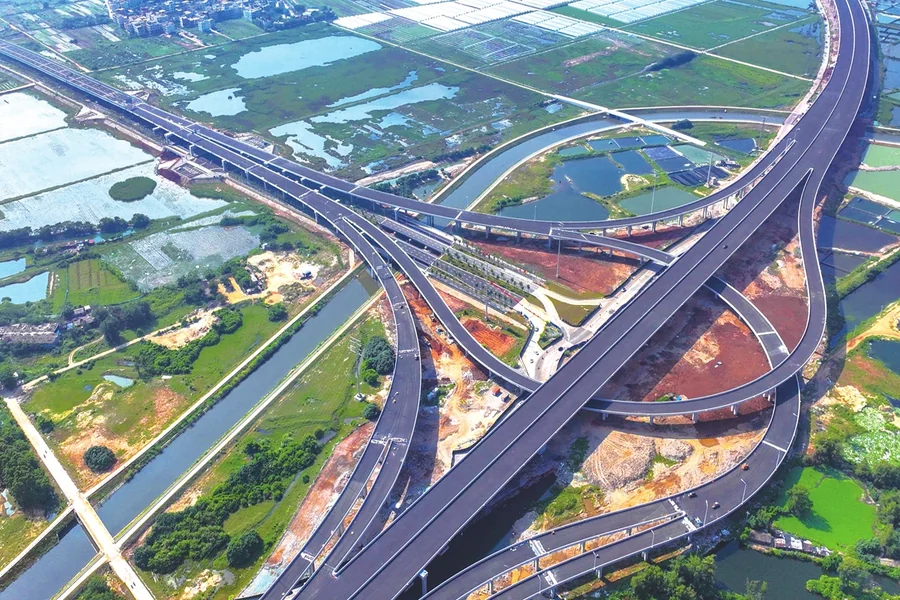
Most people think an infrastructure project begins when excavators arrive and concrete starts pouring. That is the visible part. The real work starts much earlier.
Roads, bridges, power plants, transit systems, and large buildings all depend on hundreds of decisions made before construction begins. A missed permit, an overlooked utility line, or an unrealistic schedule can create delays that cost millions of dollars.
According to the Project Management Institute (PMI), organizations with strong project management practices complete projects successfully far more often than those with weak planning. Research from McKinsey also shows that large construction projects frequently run over budget and behind schedule, often because early planning underestimated complexity.
The lesson is simple. Construction is only one phase. Planning is the project.
One developer who has often spoken about this approach is Ron Yeffet, whose international work has emphasized detailed preparation before crews ever arrive on site. He once recalled reviewing construction drawings with a project team for hours because one access road looked too narrow for heavy equipment. The route was redesigned before work began. Months later, when oversized concrete deliveries started arriving, trucks were able to move through without disrupting nearby traffic. “That afternoon around the conference table probably saved weeks of headaches,” he said.
Every Successful Project Starts With Questions
The first stage of any major project is not building.
It is asking questions.
- What problem is this project solving?
- Who will use it?
- How will people access it?
- What happens if the schedule changes?
- What happens if material costs rise?
These questions seem simple. They prevent expensive mistakes.
Many failed projects begin with assumptions instead of answers.
Small Problems Become Big Problems
Imagine building a new roadway without studying local traffic.
The road may technically work. It may even open on time. But if traffic backs up every morning because one intersection was overlooked, the project has failed to solve the original problem.
That is why engineers spend months collecting traffic counts before construction begins.
The same principle applies to every type of infrastructure.
Planning Saves More Than Money
Planning is often viewed as an added expense.
It is actually one of the biggest cost-saving tools available.
The Global Infrastructure Hub estimates that the world faces an infrastructure investment gap of roughly $15 trillion by 2040. With projects becoming larger and more expensive, reducing avoidable mistakes matters more than ever.
PMI research also shows that poor project performance wastes billions of dollars globally every year.
Many of those losses come from preventable issues such as:
- Unclear project scope
- Poor communication
- Unrealistic schedules
- Weak coordination between teams
Most of these problems appear long before construction starts.
Communication Is Part of the Design
Infrastructure is built by people.
Architects, engineers, contractors, inspectors, government agencies, suppliers, and community leaders all contribute.
If they are not sharing information, mistakes multiply.
One missing update can affect dozens of workers.
Imagine an electrical contractor installing conduit exactly where another team plans to pour concrete.
Neither team is wrong.
They simply worked from different information.
Regular planning meetings reduce these conflicts before they reach the construction site.
The Best Meetings Prevent Future Problems
Good planning meetings are surprisingly ordinary.
People review drawings.
They ask uncomfortable questions.
Someone notices a possible conflict.
The team fixes it while everyone is still sitting around a table instead of standing beside unfinished concrete.
Those conversations rarely make headlines.
They often determine whether a project succeeds.
Risk Should Never Be a Surprise
Every project contains risk.
Weather changes.
Material prices increase.
Permits take longer than expected.
Equipment breaks.
The goal is not eliminating every risk.
The goal is preparing for likely ones.
Professional teams often create risk registers before construction begins. These documents list possible problems, estimate their impact, and identify responses.
That preparation allows decisions to happen quickly when unexpected situations appear.
Without preparation, small issues can stop progress.
Communities Matter Too
Infrastructure is not built in empty spaces.
People live nearby.
Businesses operate there.
Schools, hospitals, and emergency services continue working while construction happens.
Successful projects consider these people from the beginning.
Questions include:
- Will emergency vehicles still have access?
- How will traffic change?
- Can businesses remain open?
- What construction hours reduce disruption?
Projects that ignore these questions often face resistance later.
Projects that answer them early build stronger public support.
Technology Helps, but It Does Not Replace Thinking
Modern construction has better software, better equipment, and better data than ever before.
Those tools improve accuracy.
They cannot replace judgment.
A computer can identify scheduling conflicts.
It cannot always recognize when a timeline is unrealistic because one approval depends on another agency.
Experienced teams combine information with practical experience.
That combination produces better decisions.
Five Practical Lessons Anyone Can Use
You do not need to build highways to benefit from infrastructure planning.
These habits improve almost any project.
1. Define the real goal first
Know exactly what problem you are solving before creating solutions.
2. Spend more time preparing
An extra hour of planning often saves days of corrections.
3. Ask people who will actually use the result
Users often identify problems designers overlook.
4. Expect change
Build flexibility into schedules instead of assuming everything will go perfectly.
5. Review before you begin
Pause once before starting work.
Fresh eyes often catch mistakes everyone else missed.
Great Projects Are Quiet Before They Become Visible
The public usually remembers ribbon cuttings.
Professionals remember planning meetings.
The strongest infrastructure projects are rarely successful because construction happened quickly.
They succeed because hundreds of careful decisions happened first.
Concrete, steel, and machinery build the finished structure.
Preparation builds everything that comes before it.
That is the part most people never see, yet it often makes the biggest difference.

Passionate about exploring diverse ideas and sharing inspiration, I curate content that sparks curiosity and encourages personal growth. Join me at ElementalNest.com for insights across a wide range of topics.