
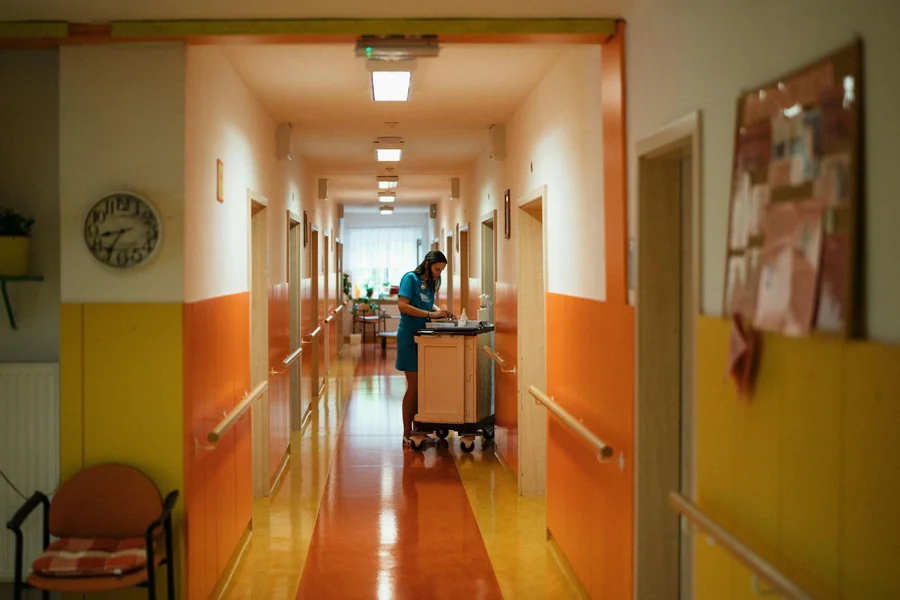
You walk into a hospital. Floors shine. Nurses rush by. Machines beep softly. Smells clean. Looks safe, right? But there’s more than what you see. Tiny threats float in the air. Lurk on surfaces. Even hide in water. For someone with a weak immune system, it can feel terrifying. Hospitals know this. That’s why they follow rules like AAMI ST108 compliance. These standards guide how they manage water, tools, and daily routines. They plan ahead. They test. They prevent. Every little step counts. For vulnerable patients, it can mean the difference between safety and danger. And trust me, hospitals take that responsibility seriously.
Understanding Vulnerable Patients
Not everyone faces the same risks. Some are more fragile. The elderly. Babies. People with weak immunity. Even a small exposure that most people shrug off could land them in serious trouble. For them, even a tiny germ feels like a storm hitting a fragile boat. Hospitals know this, and they plan every step accordingly. Extra care. Extra attention. Procedures are designed to reduce risks. Staff are alert, always watching for signs of infection. For you, it might look like normal hospital activity. But for these patients, it’s life-saving. Every action matters, even the ones you don’t see.
Vulnerable patients aren’t just numbers. They have stories. Families waiting anxiously. Lives already fragile. Hospitals take this commitment seriously. Infection prevention measures should not be seen as optional; rather, every measure taken – no matter how small – acts as a defense mechanism against infection. It should not just treat illness but prevent it before it develops into something worse.
Daily Protocols That Keep Patients Safe
Infection control isn’t just washing hands or wiping floors. It’s a full routine, a carefully choreographed system. Nurses sterilize tools before and after every use. Cleaning staff disinfect rooms multiple times a day. Technicians check air quality, water systems, even tiny instruments. Every step is intentional. Standards like AAMI ST108 compliance guide this work. They’re strict. Sometimes tedious. But they work. Every small action adds up.
Think about it this way. A single instrument, a single faucet, even a tiny corner of a room—any lapse could be risky. Hospitals do not leave that to chance. For you or someone you love, these routines might seem invisible. But they are the backbone of safety. Staff work quietly, often unnoticed, making sure each patient has the safest environment possible.
The Role of Water in Infection Prevention
Water is everywhere in hospitals. You wash your hands. Instruments get rinsed. Rooms get cleaned. But water can hide dangers. Pipes, faucets, sinks—they can harbor bacteria. Hospitals don’t leave it to chance. They test water. Filter it. Sometimes heat it. Every drop is monitored. Imagine water as a traveler, moving quietly through the hospital, touching everything. If it’s not controlled, germs hitch a ride. If it is, it protects patients. Clean water is a silent hero. You don’t see it, but it works. Every day.
Even simple things, like handwashing, rely on water safety. A faucet seems harmless, right? But without proper monitoring, it can become a pathway for infection. Hospitals understand this. That’s why water management is part of the bigger infection control puzzle. It’s subtle. You might never notice it. But it saves lives.
Training and Awareness Among Staff
Rules don’t mean anything if staff don’t know them. Nurses. Cleaning crews. Technicians. They’re trained. They learn to spot risks, handle tools, monitor water, and follow routines to the letter. Even small mistakes can be dangerous.
To you, it might look like normal activity. But it’s a carefully orchestrated system. Every person has a role. Every action counts. It’s teamwork in action. Constant vigilance. Tiny actions. That’s how hospitals keep infections away. It’s exhausting, sometimes repetitive, but it works. And it protects the most vulnerable patients every single day.
Conclusion
Hospitals do a lot to keep patients safe. Standards, staff training, water checks—nothing is left to chance. Every faucet. Every sink. Every instrument. Checked. For you, it’s comforting. For vulnerable patients, it’s essential. Every measure counts. That’s why the importance of safe water can’t be overstated. Not just for drinking. But every tool, every surface, every drop. Hospitals operate quietly behind the scenes every day to protect patients, making sure even fragile patients remain protected and making hospitals places of healing instead of harm. You might never witness all their hard work but it’s beneficial to your health.

Passionate about exploring diverse ideas and sharing inspiration, I curate content that sparks curiosity and encourages personal growth. Join me at ElementalNest.com for insights across a wide range of topics.