
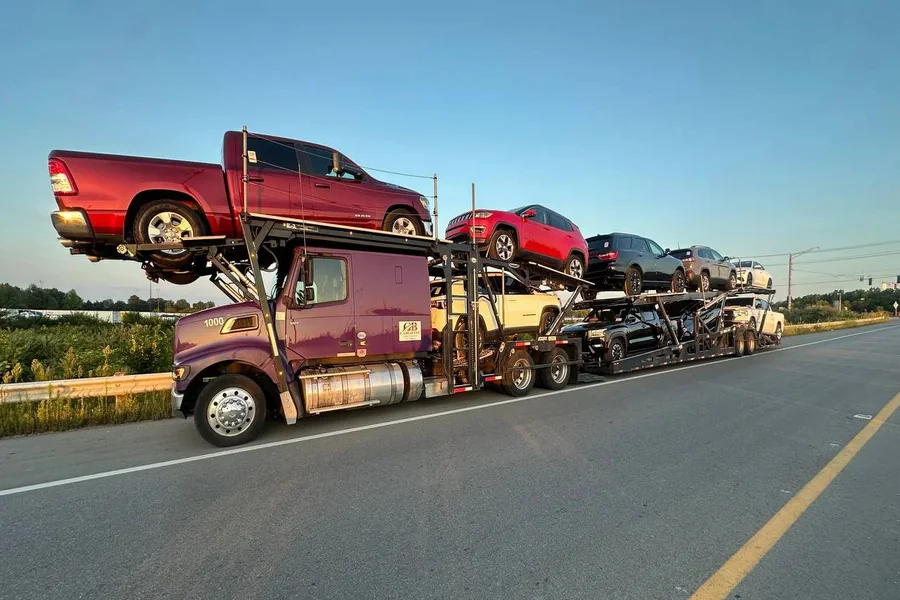
Most people only think about car transport once – when they’re relocating, buying a vehicle out of state, or sending a car to a family member. Because it’s such an infrequent purchase, it’s easy to assume every provider operates roughly the same way: a truck shows up, your car gets loaded, it arrives somewhere else. In reality, the gap between a properly licensed, professionally run operation and someone with a trailer and a Facebook ad is enormous – and it shows up in dozens of small decisions that quietly compound into a very different experience for the vehicle owner.
This guide breaks down exactly what separates a real, professional car transport company from the rest of the market: the credentials that actually matter, the operational habits that affect your vehicle’s safety, and the specific questions worth asking before you hand over a deposit.
The Credential Layer – What ‘Licensed and Insured’ Actually Means
Every legitimate operator in this industry is required to register with the Federal Motor Carrier Safety Administration (FMCSA). This isn’t optional paperwork – it’s the baseline that separates a real transport company from someone with a trailer and a Facebook ad.
- USDOT number: required for any commercial carrier operating across state lines
- MC number: required specifically for brokers and carriers handling interstate freight, including vehicles
- Active operating authority: status should read ‘Authorized’ on the FMCSA SAFER lookup, not ‘Revoked’ or ‘Pending’
- Cargo insurance: minimum coverage varies, but reputable carriers typically carry $100,000+ per vehicle
- General liability insurance: covers damage to property other than the vehicle being shipped, such as a driveway or fence during loading
Any company unwilling to provide a DOT number on request is not worth pursuing further, regardless of how attractive the quote sounds.
How a Professional Service Handles Pricing
Binding vs. Non-Binding Quotes
A genuine quote reflects real-time carrier capacity for your specific route. A professional service builds its pricing on actual market conditions – current fuel costs, seasonal demand, and carrier availability on your lane – rather than a flat number designed to get you to sign before the real price reveals itself. Understanding how a company prices your shipment tells you almost everything about how they operate. The table below breaks down the difference between a quote you can trust and one that’s designed to fall apart the moment you’ve committed.
| Quote Type | What It Means | What to Watch For |
| Binding estimate | Price is locked once details are confirmed | Standard among professional operators |
| Non-binding estimate | Price can change at pickup or delivery | Ask exactly what could trigger a change |
| Lowball quote | Priced below what any carrier will accept | Load sits unmatched, pickup gets delayed |
Deposit Structure
The standard, professional model is a modest deposit at booking – typically a few hundred dollars – with the balance paid directly to the driver at delivery. Operators who demand full payment upfront, before a carrier is even assigned, are taking on risk that should be theirs, not yours.
What Happens Between Booking and Pickup
This is the stage where the difference between professional and amateur operations becomes most visible. A car transport service actively manages carrier assignment rather than simply posting your load and waiting.
- Your shipment is listed on the national dispatch network with accurate details – vehicle type, condition, exact addresses
- A vetted carrier within that network accepts the load based on route fit and timing
- You receive direct contact information for the driver, not just a dispatcher
- The driver calls 24-48 hours ahead to confirm a realistic pickup window
- Any changes to the original quote are communicated and explained before pickup, not discovered at the curb
The Inspection Process – Why It Matters More Than People Expect
The Bill of Lading isn’t paperwork for paperwork’s sake – it’s the document that determines who’s responsible if something goes wrong. Here’s how it should be handled at each stage of a proper transport.
| BOL Stage | What Happens | Why It Matters |
| Pickup inspection | Driver and owner walk the vehicle together, note existing damage | Establishes the baseline condition |
| Signing at pickup | Both parties sign, owner keeps a copy | Legal record of condition before transit |
| Delivery inspection | Same walk-around comparing current condition to pickup BOL | Identifies any transit damage |
| Signing at delivery | Owner signs only after confirming condition matches expectations | Triggers final payment and closes the claim window |
A rushed or skipped inspection at either end is one of the clearest signs of a non-professional operation. Reputable drivers expect – and welcome – a careful walk-around, because it protects them as much as it protects you.
Open vs. Enclosed – Matching the Service to the Vehicle
A professional service doesn’t push every customer toward the same option. The right choice depends on the vehicle, not on what’s easiest to dispatch.
- Open transport: appropriate for the vast majority of standard production vehicles – sedans, SUVs, trucks, daily drivers
- Enclosed transport: recommended for vehicles over roughly $80,000–$100,000 in value, classic and collector cars, or anything with very low ground clearance
- A professional rep will tell you honestly when enclosed isn’t necessary, rather than upselling it by default
Communication Standards
One of the most underrated markers of professionalism is simply how a company communicates once your money is in motion. Look for:
- A single point of contact who knows the status of your specific shipment without you re-explaining details
- Proactive updates if pickup or delivery timing shifts, rather than making you call to find out
- Clear answers about what is and isn’t covered by insurance, given without hedging
- A documented process for filing a claim, provided before you need it – not improvised after something goes wrong
Common Situations That Separate Good Operators from Bad Ones
Weather Delays
Professional carriers prioritize safety over schedule. If a driver postpones pickup or delivery due to severe weather, that’s a sign of good judgment, not poor service. The red flag is a company that won’t tell you why a delay happened at all.
Inoperable Vehicles
Shipping a car that doesn’t run requires winch-loading equipment that not every carrier carries. A professional service asks about this upfront, prices it accurately, and matches your load to a carrier equipped to handle it – rather than discovering the problem at pickup and leaving you stranded.
Oversized or Modified Vehicles
Lifted trucks, dually pickups, and vehicles with non-standard dimensions need to be flagged at booking. A professional service will ask the right questions about height and weight before quoting, instead of sending a standard carrier that can’t actually accommodate the vehicle.
Questions Worth Asking Before You Book
- What is your USDOT and MC number, and can I verify them independently?
- Is this a binding or non-binding quote, and what could change the final price?
- Who do I contact once a carrier is assigned – you, or the driver directly?
- What happens if my vehicle is damaged in transit, and what’s the claims process?
- What’s your average pickup window for my specific route?
A professional operator answers all of these clearly and without hesitation. Vague or evasive answers to any of them are worth taking seriously as a warning sign.
Final Thoughts
The difference between a good and a bad car shipping experience rarely comes down to luck. It comes down to whether the company you booked treats the process with the operational discipline it requires – proper credentials, transparent pricing, careful documentation, and clear communication at every stage.
Some providers build their entire reputation around getting these fundamentals right consistently. Monarch Transport Group, for example, has built its process specifically around this kind of transparency – verifiable credentials, binding quotes, and a documented BOL process at both ends of the shipment – the exact standards this guide walks through. Whichever company you ultimately choose, holding them to this same checklist is what separates a smooth delivery from a stressful one.

Passionate about exploring diverse ideas and sharing inspiration, I curate content that sparks curiosity and encourages personal growth. Join me at ElementalNest.com for insights across a wide range of topics.